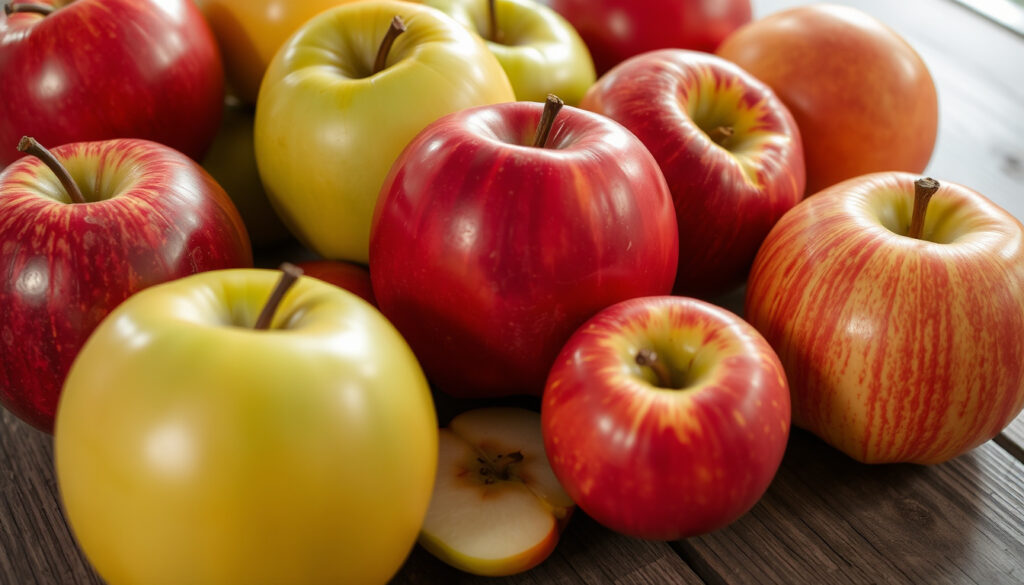
How Many Calories in an Apple – Sizes, Varieties, Nutrition
How Many Calories Are in an Apple?
Apples rank among the most widely consumed fruits globally, and understanding their caloric content helps inform daily dietary choices. A medium-sized apple typically provides around 95 calories, though this figure shifts depending on variety, size, and whether the skin is eaten. This breakdown examines the nutritional profile of apples with particular attention to the Pink Lady variety, offering detailed comparisons and practical guidance for anyone tracking their intake.
The caloric density of apples remains relatively low compared to many other common fruits, making them a popular choice for those seeking satisfying yet calorie-conscious snacks. Modern nutritional databases, including USDA-aligned sources, provide standardized metrics that help consumers make informed decisions. Recent data from agricultural and nutritional research organizations has refined our understanding of how different apple varieties and preparation methods affect overall caloric contribution.
Beyond simple calorie counts, apples deliver meaningful amounts of dietary fiber, water content, and essential micronutrients that contribute to their nutritional value. The fruit’s composition—roughly 86% water—explains why it provides satiety without excessive energy density. Whether eaten whole, sliced, or paired with protein-rich accompaniments, apples remain a versatile option for balanced nutrition.
How Many Calories in One Apple?
The caloric content of a single apple varies most significantly by size. Standardized measurements help consumers seeking precise tracking, particularly for dietary planning. A medium apple weighing approximately 182 grams contains roughly 95 calories, according to widely referenced nutritional databases. Smaller specimens around 140 grams provide approximately 70 calories, while larger apples exceeding 200 grams may contribute over 100 calories to daily intake.
Quick Reference: Apple Sizes and Calories
~70-84 kcal
~95 kcal
~106 kcal
~52-60 kcal
Key Nutritional Insights
- Low energy density makes apples suitable for weight management when consumed whole
- High water content (83-86%) contributes to volume without significant calories
- Dietary fiber (~2.4-2.9g per medium apple) supports digestive health and satiety
- Natural sugars (~19-20g per medium apple) provide quick energy but keep glycemic impact moderate
- Negligible fat content (<0.5g) means apples remain essentially fat-free
- Protein contribution minimal (<0.5g), so pairing with protein enhances nutritional balance
- Skin increases fiber content by approximately 1-2g while adding negligible calories
Standard Nutrition Facts Table
| Nutrient | Per Medium Apple (182g) | Per 100g |
|---|---|---|
| Calories | 95 kcal | 52 kcal |
| Protein | 0.5g | <0.5g |
| Carbohydrates | 25g | 14g |
| Fiber | 4.4g | 2.4g |
| Sugars | 19g | 10g |
| Fat | <0.5g | <0.3g |
Calories in Different Apple Varieties Like Pink Lady and Green Apples
Apple varieties differ primarily in texture, flavor profile, and pigment compounds rather than caloric content. With over 2,500 recognized varieties worldwide, most share remarkably similar macronutrient profiles. The Pink Lady apple (Cripps Pink cultivar) exemplifies this consistency, offering approximately 60 calories per 100 grams—essentially aligned with standard apple averages. Green-skinned varieties such as Granny Smith follow similarly, though exact values can vary slightly based on growing conditions and ripeness.
Pink Lady Apple Specifics
Pink Lady apples display characteristic pinkish-red skin rather than green, despite the name potentially suggesting otherwise. Detailed nutritional analysis from Aprifel indicates these apples contain approximately 60.1 kcal per 100 grams when measured without skin. The variety is known for its crunchy texture and juiciness, attributes linked to its high water content of roughly 83.6 grams per 100 grams. Anthocyanin compounds—notably cy-3-gal—contribute up to 98mg per 100 grams to the fruit’s distinctive coloration.
Macronutrient distribution in Pink Lady apples mirrors broader apple profiles: carbohydrates provide approximately 96% of total calories, fat contributes around 3%, and protein accounts for roughly 2%. A medium Pink Lady apple typically weighs between 150-182 grams, translating to approximately 72-95 calories per fruit depending on specific size.
The misconception that Pink Lady apples have green skin likely stems from confusion with Granny Smith, which features bright green skin and similar global distribution. Pink Lady’s pinkish-red pigmentation reflects its anthocyanin content rather than chlorophyll.
Green Apple Characteristics
Green apple varieties, most notably Granny Smith, offer comparable caloric values to red and pink varieties. The characteristic green color derives from chlorophyll retained in the fruit’s skin. Granny Smith apples tend toward a slightly tarter flavor profile, which some consumers perceive as less sweet. Nutritional databases generally classify green apples within the same caloric range as other varieties, with slight variations attributable to individual fruit characteristics rather than variety-specific metabolic differences.
| Variety | Calories per 100g | Key Characteristics |
|---|---|---|
| Pink Lady (Cripps Pink) | ~60 kcal | Pinkish-red skin, crunchy, high anthocyanins |
| Granny Smith | ~52-58 kcal | Bright green skin, tart flavor, firm texture |
| General Apple Average | ~52-60 kcal | Varies by specific cultivar and growing conditions |
Apple Calories With Skin vs. Without Skin
The decision to consume apple skin affects both nutritional value and caloric content, though the caloric difference remains minimal. Removing the skin slightly reduces overall calorie count while also decreasing fiber and antioxidant content. Research from nutritional analysis sources indicates that skin contributes approximately 5-10% additional fiber while adding negligible calories due to its thin, lightweight nature.
With Skin: Maximum Nutrition
Consuming apples with skin intact preserves the fruit’s complete fiber content, including soluble and insoluble varieties that support digestive health. The skin layer contains concentrated amounts of antioxidant compounds, particularly polyphenols and flavonoids, that may offer protective health benefits. One medium apple with skin provides approximately 4.4 grams of fiber, compared to roughly 2.4 grams when skinned.
The caloric increase from eating skin remains negligible for practical purposes. Even when accounting for the additional fiber and trace compounds, a skinned apple differs by only a few calories from its unpeeled counterpart. This makes the skin an easy inclusion for those seeking maximum nutritional benefit without meaningful caloric trade-off.
Without Skin: Reduced Fiber, Slight Calorie Difference
Apple skin removal results in a modest calorie reduction, though the difference proves less dramatic than many consumers expect. The primary benefit of peeling relates to texture preference or specific dietary requirements rather than significant caloric savings. For individuals monitoring carbohydrate intake strictly, removing skin may offer marginal advantages, though the fiber removed alongside the skin typically outweighs this consideration for general nutrition.
For most dietary purposes, eating the skin is advantageous. The fiber content supports satiety and digestive health, while the caloric trade-off proves minimal—typically less than 10 calories difference between skinned and unskinned fruit.
Skin Composition and Nutritional Contribution
Apple skin represents approximately 10-15% of the fruit’s total fiber content despite comprising a small portion of overall mass. The concentration of certain nutrients—including vitamin C in some varieties and various polyphenols—actually exceeds levels found in the flesh. Antioxidant capacity measures consistently show higher values in skin samples compared to corresponding flesh, supporting recommendations to consume whole fruit when practical.
Full Nutrition Facts for an Apple Including Protein
Understanding the complete nutritional profile of apples requires examining beyond simple caloric content to encompass all macronutrients, fiber, and essential micronutrients. A medium apple provides a modest but meaningful contribution to daily nutritional requirements, particularly for fiber and certain minerals. The fruit’s low protein content means that complementary protein sources become important for those relying on apples as regular snack options.
Macronutrient Breakdown
Carbohydrates dominate the apple’s macronutrient composition, providing the vast majority of available calories through natural sugars and complex carbohydrates. The approximate distribution for a medium apple (182g) includes 25 grams of total carbohydrates, comprising approximately 19 grams of naturally occurring sugars and 4.4 grams of dietary fiber. Protein content remains minimal at roughly 0.5 grams per medium fruit, while fat content stays below detectable thresholds in most standard measurements.
The carbohydrate profile includes both simple sugars—glucose, fructose, and sucrose—and soluble fiber that contributes to satiety without significantly impacting blood glucose levels. This combination explains why apples provide quick energy while maintaining relatively moderate glycemic impact compared to more concentrated sugar sources.
Micronutrient Content
Apples contribute meaningful amounts of potassium and vitamin B6, though they do not represent significant sources of most essential vitamins and minerals. Potassium content reaches approximately 110mg per 100 grams in Pink Lady varieties, supporting electrolyte balance and cardiovascular function. Vitamin B6 content, while modest at around 0.06mg per 100 grams, contributes to metabolic processes and neurotransmitter synthesis.
Vitamin C content varies considerably by variety, ranging from approximately 4-6mg in medium-sized Pink Lady apples to somewhat higher levels in other cultivars. While not exceptional compared to citrus fruits, apple consumption still contributes meaningfully to daily vitamin C intake, particularly when eaten regularly as part of a varied diet.
Apples contain no sodium, cholesterol, or saturated fat, making them suitable for heart-healthy dietary patterns. Their high water content and fiber combination supports hydration and digestive function alongside caloric and nutrient provision.
Protein Context and Dietary Pairings
The relatively low protein content of apples—less than 0.5 grams per medium fruit—means that consuming apples alone does not meaningfully contribute to daily protein requirements. For individuals focused on protein intake, pairing apples with protein-rich foods creates nutritional synergy. Common pairings include cheese, Greek yogurt, nuts, and nut butters, each adding complementary protein alongside the apple’s fiber and carbohydrate benefits.
Calories in Apple with Peanut Butter and Comparisons to Banana or Orange
Combining apples with protein-rich accompaniments significantly alters their nutritional profile, potentially enhancing satiety and balance for certain dietary approaches. The addition of peanut butter exemplifies this principle, transforming a simple fruit snack into a more complete macronutrient profile while substantially increasing caloric content. Comparative analysis with other common fruits helps contextualize where apples fit within daily dietary patterns.
Apple with Peanut Butter Caloric Impact
Pairing a 100-gram apple portion with approximately 20 grams (2 tablespoons) of natural peanut butter creates a combined snack yielding roughly 180 calories. This calculation derives from the apple’s ~60 kcal contribution and peanut butter’s approximately 120 kcal per 20-gram serving. The protein content of this combination reaches approximately 5.5 grams, substantially upgrading the snack’s amino acid profile compared to apple consumption alone.
Fat content increases notably with peanut butter addition, reaching approximately 10 grams per serving. While predominantly unsaturated fats with recognized cardiovascular benefits, this addition significantly elevates the snack’s energy density. For those monitoring fat intake or seeking lower-calorie alternatives, considering the combined caloric impact becomes essential for accurate dietary tracking.
Comparison with Banana
Bananas provide substantially higher caloric density compared to apples, averaging approximately 89 calories per 100 grams compared to apples’ 52-60 calories per equivalent weight. A medium banana (~118 grams) contributes roughly 105 calories—comparable to a medium-to-large apple despite different mass. The banana’s higher sugar content (~23g per 100g versus ~12g for apples) explains much of this caloric differential, though bananas also offer marginally higher protein at approximately 1.1 grams per 100 grams.
The fiber discrepancy between these fruits proves interesting: despite bananas’ higher caloric content, apples actually deliver slightly more fiber per gram (2.4-2.9g versus 2.6g per 100g). This makes apples potentially more satiating relative to their caloric content, an important consideration for those managing weight through caloric restriction while seeking maximum satiety.
Comparison with Orange
Oranges present a caloric profile closer to apples, with approximately 47 calories per 100 grams—slightly lower than apple values. A medium orange (~131 grams) provides roughly 62 calories, making oranges marginally more calorie-efficient than medium apples. Carbohydrate content aligns closely between these fruits at approximately 12 grams per 100 grams, though oranges distinguish themselves through substantially higher vitamin C content.
Fiber content remains comparable, with oranges providing approximately 2.4 grams per 100 grams versus apples’ 2.4-2.9 grams. Protein contributions also align closely at roughly 0.9-1.0 grams per 100 grams. For consumers prioritizing vitamin C intake, oranges offer a significant advantage, though both fruits represent nutritious, relatively low-calorie choices within a balanced diet.
Combining apples with peanut butter approximately doubles the caloric density of the snack. For those tracking energy intake precisely, accounting for added ingredients becomes essential to maintain accurate daily totals.
| Fruit (per 100g) | Calories | Protein | Carbs | Fiber |
|---|---|---|---|---|
| Pink Lady Apple | 60 kcal | <0.5g | 12.8g | 2.9g |
| Banana | 89 kcal | 1.1g | 23g | 2.6g |
| Orange | 47 kcal | 0.9g | 12g | 2.4g |
What the Science Says: Established Facts vs. Areas of Uncertainty
Nutritional science continually refines our understanding of food composition and health effects. While certain facts about apple calories and nutrition remain firmly established, other areas retain uncertainty that honest reporting requires acknowledging. Distinguishing between well-documented findings and ongoing research helps readers maintain appropriate confidence in specific values.
Established Information
- Medium apples (182g) provide approximately 95 calories when consumed with skin
- Caloric density ranges from 52-60 kcal per 100 grams across most varieties
- Protein content remains consistently low (<0.5g per 100g) across apple varieties
- Dietary fiber content (2.4-4.4g) depends significantly on skin consumption
- Water content consistently ranges from 83-86% across varieties
- Fat content stays negligible regardless of variety or preparation
- Apples contain no cholesterol or sodium
Information That Remains Less Certain
- Exact micronutrient values vary between sources for vitamin C and certain minerals
- Precise caloric impact of combining with peanut butter depends on specific products used
- Variety-specific data remains limited for less-common cultivars
- Glycemic index values show some variation between individual apples
- Antioxidant capacity measurements vary by growing conditions and ripeness
Why Apples Fit Into a Balanced Diet
Apples have earned consistent recognition in dietary guidance documents and nutritional research for their favorable combination of nutrients, fiber, and low caloric density. The fruit’s accessibility, variety, and year-round availability make it a practical choice for most consumers seeking to incorporate more whole foods into their dietary patterns. Their natural portability and relatively long shelf life compared to many fresh fruits further enhance their utility as a regular dietary component.
The fiber content deserves particular attention when evaluating apples’ role in nutrition. Dietary fiber supports digestive health, contributes to feelings of fullness, and plays a recognized role in maintaining healthy cholesterol levels. Combined with the fruit’s high water content, these attributes help explain why apples provide satisfying snacking experiences despite their modest caloric contribution. The Kraft Peanut Butter Cookie Recipe demonstrates how apple slices can complement protein-rich ingredients in balanced snack planning.
Public health organizations consistently recommend consuming whole fruits, including apples, as part of balanced dietary patterns. Their inclusion supports variety and nutrient diversity while maintaining relatively low caloric impact. Whether eaten alone as a between-meal snack or incorporated into recipes, apples represent a versatile fruit choice that accommodates diverse culinary preferences and nutritional goals.
“One medium apple provides about 95 calories and contributes meaningful fiber to the diet, making it a satisfying snack that fits well within most caloric budgets.”
— Nutritional guidance aligned with USDA and academic nutritional sources
Summary
Apples provide approximately 52-60 calories per 100 grams, with a medium fruit (182g) averaging around 95 calories when eaten with skin. The Pink Lady variety offers comparable values at roughly 60 kcal per 100g, featuring pinkish-red skin distinct from green varieties like Granny Smith. Consuming the skin adds negligible calories while boosting fiber from 2.4g to approximately 4.4g per medium apple. Protein content remains minimal at less than 0.5g, making protein pairings worthwhile for those seeking more balanced snacks. Adding peanut butter roughly doubles the caloric content to approximately 180 calories for a standard serving. Compared to bananas (89 kcal/100g) and oranges (47 kcal/100g), apples occupy a middle position in energy density while offering excellent fiber-to-calorie ratios. Explore the Recette Filet de Porc au Four for meal planning ideas that complement fruit-based snacks within daily nutritional targets.
Frequently Asked Questions
How many calories in a small apple?
A small apple weighing approximately 140 grams provides roughly 70-84 calories. The exact value depends on specific variety and growing conditions, but this range applies consistently across most common cultivars.
How many calories in an apple without the skin?
Removing apple skin reduces caloric content by only a marginal amount—typically 5-10 calories for a medium fruit. The skin’s contribution to total mass and energy content remains minimal despite its significant fiber concentration.
How many calories in a Pink Lady apple?
Pink Lady apples provide approximately 60 calories per 100 grams. A medium Pink Lady (150-182g) therefore contributes roughly 72-95 calories, depending on specific size.
How much protein does one apple contain?
A medium apple contains less than 0.5 grams of protein. This minimal amount means apples alone do not meaningfully contribute to daily protein requirements; complementary protein sources are recommended for those prioritizing protein intake.
How many calories in an apple with peanut butter?
Combining a medium apple with 2 tablespoons of peanut butter yields approximately 180 calories. This pairing adds roughly 5 grams of protein and 10 grams of fat compared to apple consumption alone.
How many calories in a green apple?
Green apple varieties like Granny Smith provide caloric values similar to other apples—approximately 52-58 calories per 100 grams. Color differences reflect pigment compounds rather than substantial nutritional variations.
How many calories in one banana?
A medium banana (~118g) contains approximately 105 calories, while 100 grams provides roughly 89 calories. This makes bananas notably higher in calories than equivalent-weight apple portions.
How many calories in an orange?
A medium orange (~131g) provides approximately 62 calories, while 100 grams contains roughly 47 calories. Oranges rank among the lower-calorie common fruits alongside apples.
More related posts
 Planet of the Apes Movies in Order: 2024 Guide
 QE2 Highway Conditions Today – Traffic, Weather & Cameras
 Mickey Hargitay: Biography, Career, and Fatherhood
 Best Asian Restaurant Near Me: Sligo Top Picks & Delivery
 3 Carat Diamond Ring: Prices, Sizes & Guide (Ireland)
 I Chuck E. Chee e in Ireland? UK Expan ion Explained
 Detroit Red Wings Standings 2025-26 | Classement
 Best Things to Do in Kelowna: A Complete Year-Round Guide
