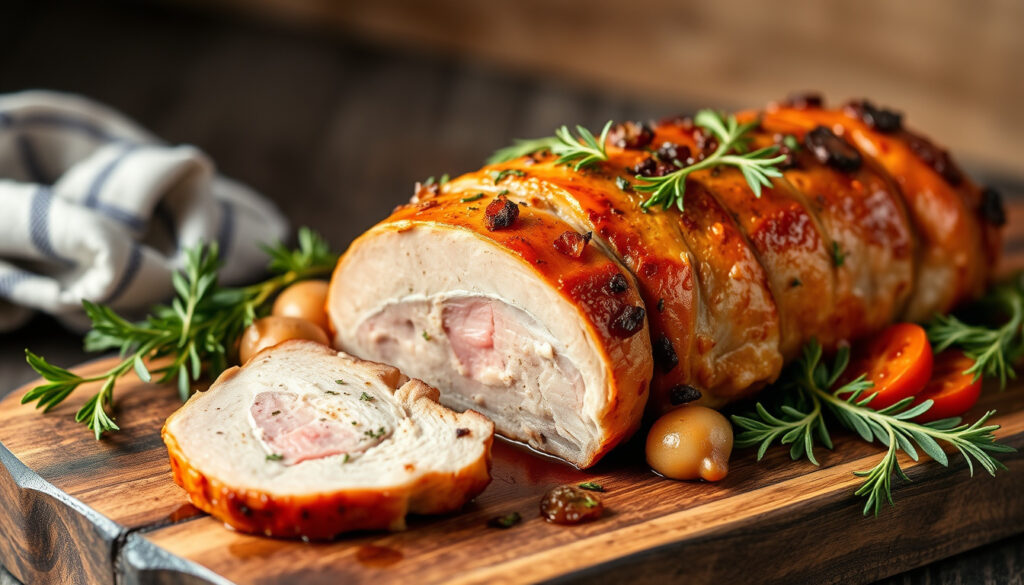
Recette Filet de Porc au Four – Juicy Oven Results Every Time
Pork tenderloin, known in French cuisine as filet de porc, represents one of the leanest and most versatile cuts available. This guide covers essential techniques for achieving perfectly cooked, juicy results every time you use your oven. Understanding the fundamentals of temperature, timing, and preparation will transform this humble cut into an impressive centerpiece for any meal.
Whether you are preparing a weeknight family dinner or a special occasion gathering, mastering pork tenderloin in the oven requires attention to specific details that distinguish excellent results from disappointing ones. The key lies in understanding how this lean muscle responds to heat and why certain techniques work better than others for maintaining moisture and developing flavor.
How to Cook Pork Tenderloin in the Oven
Key Techniques for Success
- Remove the meat from refrigeration 30 minutes before cooking to allow even cooking
- Always use a meat thermometer to verify internal temperature rather than relying on time alone
- Rest the tenderloin for at least 5 minutes after removing from the oven
- Dry the meat thoroughly before seasoning to ensure proper searing
- Reserve the pan juices for making a simple pan sauce
- Apply salt well in advance when possible for deeper flavor penetration
| Ingredient | Quantity | Notes |
|---|---|---|
| Pork tenderloin | 800g (1.75 lbs) | Single fillet, trimmed |
| Garlic cloves | 3-4 pieces | Fresh, minced |
| Fresh thyme | 3-4 sprigs | Or dried equivalent |
| Butter | 2 tablespoons | For basting |
| Neutral oil | 1 tablespoon | For searing |
| Salt and pepper | To taste | Kosher preferred |
What Temperature and How Long to Cook Pork Tenderloin in the Oven
Understanding Internal Temperature
The ideal internal temperature for pork tenderloin depends on your preferred level of doneness. For juicy, tender results, target 63°C (145°F) at the thickest part of the meat. Those who prefer a firmer texture may aim for 68°C (155°F). A meat thermometer inserted into the center provides the most reliable indicator of doneness, as cooking time varies significantly based on the initial temperature of the meat and the exact thickness of the cut.
Cooking Times by Weight
| Weight | Oven Temperature | Approximate Time |
|---|---|---|
| 500-600g | 220°C (425°F) | 10-13 minutes |
| 700-800g | 220°C (425°F) | 13-16 minutes |
| 1kg (single fillet) | 220°C (425°F) | 16-20 minutes |
| 1.2kg (2 fillets) | 200°C (400°F) | 30 minutes |
A 220°C (425°F) oven proves preferable to lower temperatures such as 180°C (356°F). Higher heat allows faster, more controlled cooking that reduces the risk of drying out the lean meat. Extended cooking at lower temperatures significantly increases moisture loss and can result in tough, stringy texture.
Marinade and Preparation for Perfect Pork Tenderloin
Essential Preparation Steps
Proper preparation begins well before cooking. Start by patting the tenderloin completely dry with paper towels. Remove any silver skin membrane carefully, as this tough connective tissue does not break down during cooking and can create an unpleasant texture.
Season generously with salt and pepper. For optimal flavor development, consider salting the tenderloin and leaving it uncovered in the refrigerator for 30 minutes to 12 hours before cooking. This dry-brining technique improves moisture retention and allows seasoning to penetrate deeper into the meat fibers.
Aromatics and Flavor Enhancements
Essential aromatics complement the natural flavor of pork without overwhelming it. Fresh garlic and herbs work particularly well, with thyme and oregano being classic choices. Butter added during cooking provides richness and helps create a golden exterior.
- Garlic and fresh herbs such as thyme, oregano, or rosemary
- Butter for basting and adding richness
- Neutral oil for the initial searing step
For a festive variation, combine Dijon mustard (2 tablespoons), honey (1 tablespoon), and garlic powder (1 teaspoon). Apply this glaze to the tenderloin before cooking for a caramelized, slightly sweet finish that pairs well with roasted vegetables.
How to Keep Pork Tenderloin Juicy and Flavorful in the Oven
The Two-Stage Cooking Method
The key technique involves searing all sides quickly in an ovenproof skillet before finishing in the oven. This two-stage approach develops exterior flavor through the Maillard reaction while the oven finish ensures even cooking throughout the interior.
Begin by heating your ovenproof skillet with oil over medium-high heat. Sear the tenderloin on all sides for 1-2 minutes per side until a golden-brown crust forms. Reduce the heat slightly, then add butter, garlic, and herbs around the meat. Baste the tenderloin with the aromatic butter for 20-30 seconds.
- Heat an ovenproof skillet with oil over medium-high heat until shimmering
- Sear the tenderloin on all sides for 1-2 minutes per side until browned
- Lower the heat and add butter, garlic, and herbs to the pan
- Baste the meat with the aromatic butter for 20-30 seconds
- Transfer the skillet to a preheated oven at 220°C (425°F)
- Cook until the internal temperature reaches 63°C (145°F)
- Rest for at least 5 minutes before slicing
Common Mistakes to Avoid
Overcooking beyond the target temperature and insufficient resting time represent the primary causes of dry, tough pork tenderloin. The resting period proves essential because it allows residual heat to stabilize and enables juices to redistribute throughout the meat rather than running out when sliced.
Always verify doneness with a calibrated meat thermometer inserted into the thickest part of the tenderloin. Do not rely on cooking time alone, as thickness varies significantly between cuts. The 63°C (145°F) internal temperature standard aligns with international food safety protocols for pork.
Step-by-Step Timeline
- 0 minutes: Preheat your oven to 220°C (425°F)
- 15 minutes: Remove tenderloin from refrigerator, pat dry, and season
- 20 minutes: Heat ovenproof skillet with oil over medium-high heat
- 22-26 minutes: Sear tenderloin on all sides (1-2 minutes per side)
- 26 minutes: Add butter, garlic, and herbs; baste briefly
- 27-47 minutes: Transfer to oven; roast until 63°C internal temperature
- 47-52 minutes: Rest for 5 minutes, then slice and serve
What We Know and What Remains Uncertain
Established Information
- 63°C (145°F) internal temperature ensures food safety while maintaining juiciness
- 220°C (425°F) oven temperature provides optimal results for this cut
- Resting for 5 minutes after cooking is essential for juicy results
- Dry-brining improves flavor and moisture retention
- Searing before roasting enhances exterior flavor development
Information Requiring Verification
- Exact resting time may vary based on ambient room temperature
- Optimal searing oil smoke points depend on specific stove equipment
- Precise nutritional values vary based on specific cut and trimming
Accompaniments and Serving Suggestions
Roasted root vegetables make excellent companions for pork tenderloin. White potatoes and sweet potatoes, cut into approximately 2 cm (¾ inch) pieces and roasted alongside the meat, absorb the aromatic juices while developing their own caramelized edges.
A pan sauce made from the cooking juices in the skillet elevates the dish to restaurant quality. Simply deglaze the pan with a splash of wine or broth, reducing the liquid until slightly thickened. Pour this sauce over the sliced tenderloin just before serving to add moisture and concentrated flavor.
For those exploring seasonal produce options, roasted carrots, parsnips, or brussels sprouts offer additional variety to round out the meal.
Sources and Expert References
This lean cut performs best when cooked quickly at high heat to 63°C (145°F) internal temperature, then rested to maintain juiciness. The two-stage approach of searing followed by oven finishing prevents the dryness commonly associated with lean pork cuts.
— Michel Dumas, filet-de-porc-au-four
The recommended internal temperature aligns with international food safety standards for pork preparation. Cooking authorities emphasize that a meat thermometer provides the only reliable method for determining doneness, as visual indicators alone can be misleading.
Summary
Pork tenderloin cooked in the oven achieves its best results through high heat, precise temperature monitoring, and adequate resting time. The two-stage method of searing followed by oven finishing creates a flavorful exterior while maintaining a juicy interior. By following these guidelines and avoiding common mistakes such as overcooking and skipping the rest period, anyone can achieve professional-quality results at home. For those interested in similar baking projects, consider exploring this Kraft Peanut Butter Cookie Recipe for dessert inspiration.
Frequently Asked Questions
What are the best side dishes for pork tenderloin?
Roasted root vegetables such as potatoes, sweet potatoes, carrots, and parsnips pair exceptionally well. A pan sauce made from the cooking juices adds restaurant-quality finishing. Green vegetables like asparagus or roasted brussels sprouts also complement the dish nicely.
Can I cook frozen pork tenderloin directly in the oven?
While cooking from frozen is technically possible, it is not recommended. Frozen meat cooks unevenly and requires significantly longer oven time, increasing the risk of drying out this lean cut. Thawing in the refrigerator overnight provides the best results.
How do I know when the pork tenderloin is done without a thermometer?
Without a thermometer, determining doneness becomes unreliable. The meat should feel firm but still slightly yielding when pressed gently. However, a meat thermometer remains the only accurate method to ensure food safety while avoiding overcooking.
Should I marinate pork tenderloin before cooking?
Marinating is optional but not required for flavorful results. Simple salt and pepper seasoning, especially when applied several hours in advance, yields excellent flavor. For variation, a mustard and honey glaze provides a festive alternative without requiring an extended marination period.
How should I store leftover pork tenderloin?
Leftover tenderloin should be refrigerated within two hours of cooking and stored in an airtight container. Properly stored, it remains safe to eat for up to three to four days. Slice thinly for sandwiches or dice for salads and quick reheating applications.
Can I skip the searing step?
Skipping the sear simplifies the process and works adequately for a basic preparation. However, this notably reduces exterior flavor development and eliminates the appealing golden crust. The skillet fond created during searing also provides the base for an excellent pan sauce.
More related posts
 Things to Do in Elora Ontario: Top Attractions & Guide
 Iroquois Ridge High School – Rankings, Boundary, Programs
 Henry Winkler: Dyslexia, Fonzie, and His Career
 Will Arnett: Health, Relationships, Career & Net Worth
 Astronaut Stuck in Space 9 Months: What Really Happened
 Canada Post Strike Update Today: Latest News & Impacts
 Is Dave’s Hot Chicken Halal? UK, US & Locations Guide
 Air Canada Flight Emergency Landings: From Gimli to Today
