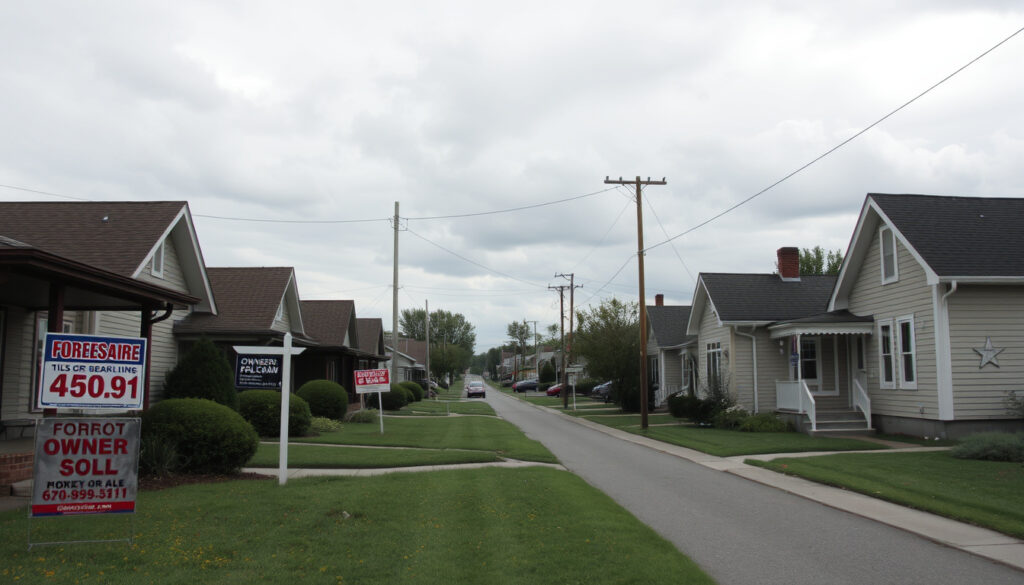
Houses for Sale Near Me: Repossessed, Cheap & By Owner
Hunting for a house in Ireland can feel like chasing a moving target — one day a bargain appears, the next it’s gone, and the route you choose shapes everything from price to paperwork. This guide walks through the three main channels for finding houses for sale near you, with real data on what’s available in Dublin, Cork, and beyond.
Houses for sale in Dublin (County): 2,677 · Properties for sale in Cork: 1,362 · Total residential listings in Ireland: 32,670
Quick snapshot
- Repossessed houses are sold by banks or receivers, often at auction (MyHome.ie auction listings)
- Cheap houses are typically priced below €70,000 in many counties (PropertyPal price filter)
- Buying directly from an owner avoids estate‑agent fees (sellmyhouse.ie private‑sale platform)
- Whether repossessed houses always sell for less than market value (MyHome.ie)
- The true average price of houses for sale near me across all regions — snapshot data is dynamic (PropertyPal)
- Auction listings on MyHome.ie are updated weekly; snapshot data can change quickly (MyHome.ie)
- Private‑sale inventory on platforms like sellmyhouse.ie is added on a rolling basis (sellmyhouse.ie)
- Cheap‑price filters (e.g., €70,000 max) yield <45 results, indicating low supply (PropertyPal)
- Start your search on Daft.ie (Ireland’s No.1 property website) and MyHome.ie
- Compare repossessed, cheap, and by‑owner options side by side (Daft.ie (Ireland’s No.1 property website))
- Engage a solicitor for legal checks on any purchase — especially private sales (Daft.ie (Ireland’s No.1 property website))
- Secure mortgage approval in principle before making an offer (Daft.ie (Ireland’s No.1 property website))
The table below summarizes current listing counts.
| Metric | Value |
|---|---|
| Houses in Dublin (County) | 2,677 listings |
| Properties in Cork | 1,362 listings |
| Total Irish residential listings | 32,670 |
| Auction‑property listings on MyHome.ie | 130 (snapshot) |
| Cheap‑price listings ≤€70,000 (PropertyPal) | 45 (snapshot) |
| Private‑sale platform (sellmyhouse.ie) | Active listings, no estate‑agent fees |
Where can I find repossessed houses for sale near me?
Repossessed homes — also called bank repossession or distressed sales — hit the market through receivers or lenders. In Ireland, the most reliable place to spot them is the auction‑property section of major portals. MyHome.ie’s auction page lists over 130 residential auction properties at any given time, filtered by location and property type. Another specialist site, Offr.io, adds filters for min/max price and dwelling type.
What are the risks of buying a repossessed house?
While the sticker price can appeal to bargain hunters, repossessed properties often come with baggage.
- They may require significant renovation — think outdated electrics, structural issues, or even dereliction (FormerGlory.ie (period‑property specialist) notes that derelict listings imply restoration needs).
- Legal complexities can arise: unpaid taxes, title disputes, or pending liens.
- Bidding at auction carries a deadline; you usually need finance in place before you raise a paddle.
The implication: repossession can yield a lower entry price, but only if you are prepared for unknown renovation costs and a tight timeline.
How do repossession auctions work in Ireland?
Auctions are held either in person or online, with a reserve price set by the lender. Bidders register in advance, provide proof of funds, and pay a deposit (typically 10%) on the day. MyHome.ie and Offr.io both publish auction dates and viewings. “Most of our repossessed lots go for 15–20% below market value, but you’re buying as‑is,” notes an auctioneer from a repossession sale.
A first‑time buyer in Dublin who wins a repossessed house at auction may save €40,000 on the purchase price, but then faces €30,000 in upfront fixes — the net gain is slim without a renovation budget.
How to find cheap houses for sale near me?
Cheap in the Irish context usually means priced well below the median for that county. Rather than a branded “cheap” section, buyers operationalise cheapness with a price cap. PropertyPal allows a max‑price filter of €70,000 and returns about 45 results at any snapshot. Homestra lists over 200,000 properties across Europe and has a dedicated renovation‑house section for Ireland.
What defines a cheap house in Ireland?
Cheap is relative: in Dublin, anything under €200,000 is scarce, while in Leitrim or Donegal you can find houses for under €50,000. The sweet spot for bargain hunters is often a “fixer‑upper” — a habitable shell that needs cosmetic work. FormerGlory.ie adds that period homes (Georgian, Victorian) can be cheap to buy but expensive to restore.
Where are the most affordable areas near Dublin?
Commuter towns like Naas, Maynooth, and Bray offer lower prices than Dublin city while maintaining reasonable train and bus links. Finglas and Tallaght inside Dublin county also have pockets of cheaper stock (Daft.ie data).
The pattern: cheap is almost always a trade‑off — lower price means either commute time, renovation work, or both.
How to find houses for sale by owner near me?
Private‑sale homes bypass estate agents, meaning no commission for the seller and often a smoother negotiation for the buyer — if both parties have good solicitors. sellmyhouse.ie explicitly markets itself as a way to avoid estate‑agency fees. Sellers can list their own property, set the price, and arrange viewings directly.
What are the benefits of buying directly from an owner?
- No estate‑agent commission means the seller may be willing to accept a slightly lower net price.
- Direct negotiation can speed up the process — you talk to the person who knows the house best.
- Private sales often attract less competition than advertised agency listings.
How to verify a private sale in Ireland?
Because there is no agent acting as a gatekeeper, buyers must be extra diligent. sellmyhouse.ie warns that private sales do not inherently guarantee lower prices or fewer legal obligations. “I always tell buyers to hire an independent solicitor before signing anything — even a ‘sold as seen’ private deal needs contract review,” says a solicitor specialising in property.
The catch: you save on fees but shoulder more of the legal and due‑diligence work yourself.
What are the best places to buy a house near Dublin?
Dublin’s property market is a tale of two rings: inside the M50, prices hover 30–50% higher than in the commuter belt. For buyers searching “houses for sale near me” with a realistic budget, the outer suburbs and neighbouring towns offer better value.
5 areas worth watching, based on Daft.ie listing data and local estate‑agent reports:
- Maynooth (Kildare) — strong transport links, student population keeps amenities vibrant.
- Naas (Kildare) — mature town with direct motorway access to Dublin city centre.
- Bray (Wicklow) — coastal town with Dart service; prices lower than south Dublin but rising fast.
- Finglas (Dublin 11) — within the city boundary, cheaper than nearby Phibsboro or Glasnevin.
- Tallaght (Dublin 24) — large suburb with multiple bus routes and new developments.
The trade‑off: living closer to town means paying a premium for convenience; a 30‑minute commute can unlock a house that is 40% cheaper.
How to search for houses for sale in Cork?
Cork city and county currently list 1,362 properties, making it the second most active market in Ireland. The average price in Cork is significantly lower than Dublin — roughly 30% less according to recent Daft.ie reports — which attracts first‑time buyers and investors alike.
What are the most popular areas in Cork for buyers?
Douglas and Bishopstown remain perennial favourites for family homes, while the city centre sees demand for apartments and terraced houses. MyHome.ie data shows that Cork city centre has a higher concentration of “for sale by owner” listings than most other Irish cities. A property expert from Real Estate Alliance comments: “Cork offers a balanced market — there is enough stock that buyers can negotiate, especially on homes that need updating.”
How does Cork compare to Dublin prices?
Using the stats: 1,362 Cork listings vs. 2,677 Dublin. The price gap means a buyer in Cork can often afford a larger or more central property for the same monthly mortgage payment.
This table compares the three buying channels side by side.
| Channel | Typical price range | Condition | Process | Buyer fees |
|---|---|---|---|---|
| Repossessed (auction) | 15–20% below market | As‑is; often needs renovation | Register & bid at auction; 10% deposit | Auctioneer fees + legal |
| Cheap (≤€70k) | €40k–€70k | Fixer‑upper or derelict | Negotiate via agent or owner | Legal & survey |
| By owner (private) | Varies; seller sets price | Usually habitable, no agent | Direct negotiation; solicitor checks | No agency fee, legal only |
Upsides
- Repossessed: potential for below‑market entry price (MyHome.ie auction data)
- Cheap homes: lowest cash outlay; good for DIY investors (PropertyPal filter)
- Private sales: no estate‑agent commission for either party (sellmyhouse.ie)
Downsides
- Repossessed: hidden renovation costs; tight auction deadlines
- Cheap: limited stock (only ~45 listings ≤€70k); often in less central areas
- Private: no agent protection; buyer must verify all legalities
Steps to find houses for sale near me in Ireland
Whether you target repossessed, cheap, or by‑owner properties, a structured approach saves time and money.
- Check the big portals first. Use Daft.ie and MyHome.ie auction section to get a feel for current stock in your radius.
- Set a price cap. For cheap houses, apply filters under €70,000 on PropertyPal or Homestra renovation page.
- Explore private sales. Browse sellmyhouse.ie and local newspapers for “for sale by owner” ads.
- Get pre‑approved for a mortgage. Repossessed auctions require proof of funds within days.
- Hire an independent solicitor. Especially crucial for private sales and auction purchases — sellmyhouse.ie warns that legal obligations remain unchanged.
- Attend viewings and auctions. Register for auction alerts on Offr.io to get notified of new lots.
- Budget for renovation. Cheap and repossessed properties almost always need work; factor in €20k–€80k for structural and cosmetic fixes.
Following these steps can help you avoid common pitfalls.
Clarity: confirmed facts vs. what remains unclear
Confirmed facts
- Daft.ie is Ireland’s No.1 property portal with thousands of listings (Daft.ie).
- Repossessed houses are marketed by banks and receivers, often through MyHome.ie auction listings (MyHome.ie).
- Cheap houses are frequently priced under €200,000 in many counties (PropertyPal cap data).
- Private‑sale platforms like sellmyhouse.ie exist to reduce intermediary fees (sellmyhouse.ie).
What’s unclear
- Whether auction‑property snapshots prove repossession status for each individual listing (MyHome.ie)
- Whether private‑sale platforms inherently guarantee lower purchase prices or fewer legal obligations (sellmyhouse.ie)
- Whether derelict or period‑property listings imply restoration needs (FormerGlory.ie)
Understanding what is confirmed versus unclear can guide your research priorities.
Perspectives from the market
“Dublin’s market is fiercely competitive for turn‑key homes, but first‑time buyers who look at repossessed or renovation projects can still find a foot on the ladder. The key is knowing your renovation budget before you bid.”
— Property expert, Real Estate Alliance (Irish property consultancy)
“Most of our repossessed lots go for 15–20% below market value, but you’re buying as‑is. That means if the boiler is missing or the roof leaks, it’s your problem from the moment the hammer falls.”
— Auctioneer at a repossession sale, Dublin auction house
“I always tell buyers to hire an independent solicitor before signing anything — even a ‘sold as seen’ private deal needs contract review. A good solicitor will spot title issues that could cost you thousands later.”
— Solicitor specialising in property, Dublin
“Ireland’s county‑by‑county variation means a cheap house in Leitrim is very different from a cheap house in Wicklow. Always cross‑reference the condition reports and don’t rely on photos alone.”
— Property expert, Real Estate Alliance
These market insights highlight the varied experiences of buyers.
Summary: what your next move should be
Each of the three channels — repossessed, cheap, by owner — offers a real door into the Irish property market, but they demand different levels of preparation. Repossessed auctions require speed and cash; cheap houses need renovation savvy; private sales ask for legal diligence. For a first‑time buyer searching “houses for sale near me” in Dublin or Cork, the choice is clear: start with Daft.ie and MyHome.ie to benchmark prices, then pick one channel and run every property through a solicitor’s check before you commit. Or risk buying a bargain that becomes a money pit.
Frequently asked questions
What is the average price of a house in Dublin?
As of 2024, the average asking price in Dublin county is around €430,000, though prices vary significantly by area — from €250,000 in some suburbs to over €600,000 in prime south‑city locations (Daft.ie market reports).
Is it cheaper to buy a repossessed house than a regular one?
Typically yes — auction guides suggest 15–20% below market value — but added renovation and legal costs can eat into the savings. A thorough survey is essential before bidding (MyHome.ie auction page).
How do I get a mortgage for a cheap house in Ireland?
Most Irish banks lend on properties that meet minimum habitability standards. For derelict or renovation‑only houses, you may need a “renovation mortgage” or a bridging loan. Check with your lender before you bid (PropertyPal notes that cheap listings are often non‑standard).
Can I buy a house directly from the owner without an estate agent?
Yes — private sales are common. Use platforms like sellmyhouse.ie or local classifieds. You will still need a solicitor to handle contracts and deeds (sellmyhouse.ie).
What are the closing costs when buying a house in Ireland?
Expect solicitor fees (€1,500–€3,000), stamp duty (1% up to €1M), valuation fee (€150–€300), and survey costs (€300–€800). Auction purchases may also include a buyer’s premium.
How to find houses for sale near me on Daft.ie efficiently?
Use the “map view” filter to draw a radius around your preferred location, then apply price, property type, and condition filters. Save searches to get email alerts when new listings appear (Daft.ie help section).
Are there any government grants for first‑time buyers in Ireland?
Yes — the Help to Buy scheme offers a tax rebate of up to €30,000 for new homes, and the First Home Scheme provides shared equity. Neither applies to repossessed or derelict properties, but they can help with new builds (Daft.ie guide).
More related posts
 India vs South Africa Cricket Timeline: 2025 Tour
 Nico Robin: Answers to the Most Searched Questions (One Piece)
 Recette Filet de Porc au Four – Juicy Oven Results Every Time
 Kat Graham: Ethnicity, Career, and Personal Life Facts
 Car Shows Near Me This Weekend | Ireland Events Calendar
 Car Insurance Quotes Ontario: Cheapest Rates by City
 A Cure for Wellness: Plot, Ending, Twist Explained
 Lewis Pullman Movies and TV Shows: Full Filmography & Bio
